Can You Remove a Google Review Posted Under a Fake Name?
A reviewer can use a nickname or non-obvious account name and still describe a real experience. The better question is whether the account is impersonating someone, hiding coordinated behavior, or posting without a genuine experience.
Policy-based guidance, reviewed September 2026.
Quick answer
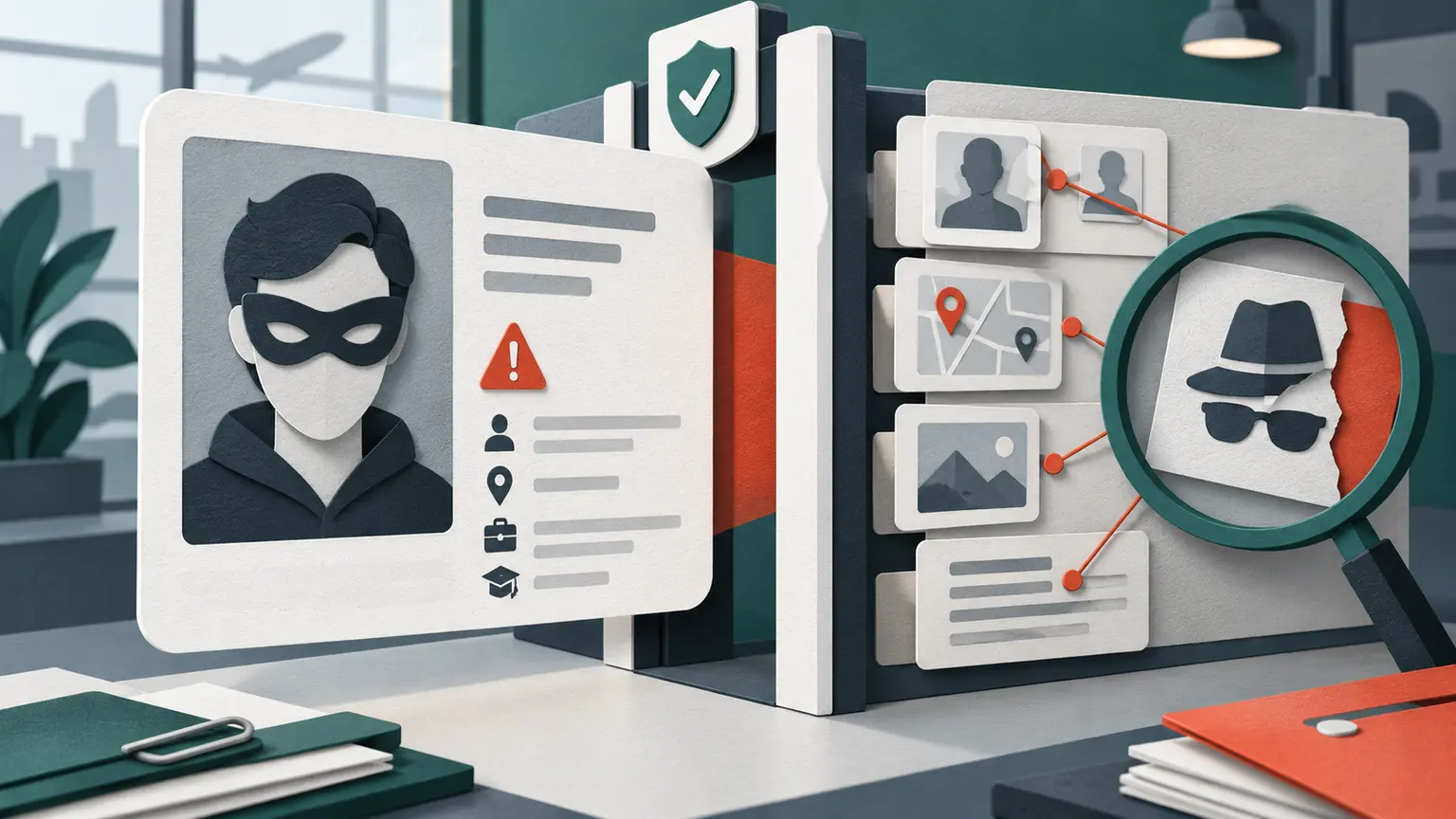
A Google review is not automatically removable because the display name looks fake. Google allows alternative names when they are not used to mislead. Removal becomes more plausible when the account impersonates a person or organization, falsely presents authority, participates in coordinated fake engagement, or has no genuine experience supported by the surrounding evidence.
A pseudonym is not automatically impersonation
Google’s impersonation rule targets misleading use of another identity or false claims of authority. It explicitly allows alternative names when the content is not attempting to mislead.
“The name is not in our CRM” is therefore not enough. The reviewer may use a nickname, household account, maiden name, or unrelated display name.
When a fake name becomes relevant
The name matters when the profile pretends to be a customer, employee, licensed professional, government source, or known person it is not. It also matters when several similarly constructed accounts appear in a coordinated pattern.
Document the misleading identity claim separately from your disagreement with the review.
Evidence checklist
- Review and profile URLs
- Claimed identity or authority
- Public contradictory profile evidence
- Customer and lead record searches
- Household or third-party booking possibilities
- Similar coordinated accounts
- Exact policy category reported
- Decision and appeal status
Search for a genuine interaction first
Check customers, leads, estimates, calls, appointments, cancellations, third-party bookings, household members, and staff recollections. Use reasonable spelling and date variations.
Our guide about a reviewer who was never a customer explains why no name match is only the start of the investigation.
Public clues versus private identity data
You can preserve public profile contributions, claimed roles, photos, and business connections. You generally cannot see the account holder’s private email, IP address, or verified legal identity.
Do not dox the reviewer or publish guesses. See what businesses can actually trace from a Google review.

How to report the strongest issue
Choose impersonation when the account is clearly pretending to be someone else or an authoritative source. Choose fake engagement when evidence points to no genuine experience, coordination, payment, or manipulation.
Use the exact profile and review URLs so Google can assess account information and activity unavailable to you.
How to respond without making an accusation
A neutral reply can say that the business cannot identify the interaction from the information provided and invites the reviewer to supply the service date privately.
Do not write “We know who you are” unless you enjoy creating evidence for the wrong side of the dispute.
If Google keeps the review
Use an eligible appeal only if you can add identity, account-pattern, or no-experience evidence. Repeating that the name sounds invented is unlikely to strengthen the case.
If the review may reflect a real interaction, respond to the substance and keep private records private.
Frequently asked questions
A non-obvious or alternative name is not automatically prohibited. Impersonation requires misleading identity behavior.
Businesses generally cannot see that private account information. Google may consider account signals internally.
No. It is useful context, but check leads, calls, estimates, household accounts, and other genuine interactions.
That creates risk and may expose private information. Keep the public response neutral and the evidence private.
Use impersonation for deceptive identity claims and fake engagement for evidence of non-genuine or coordinated activity.
Need a policy-based second look?
Send the review link and the evidence you already have. We will screen the case against Google policy and tell you whether it appears worth pursuing.
Related Google review guides
Sources
Primary sources: Google Maps prohibited and restricted content policy and Google review reporting and appeal instructions. Policy wording and workflows were reviewed September 2026.