How to Remove a Google Review for the Wrong Business
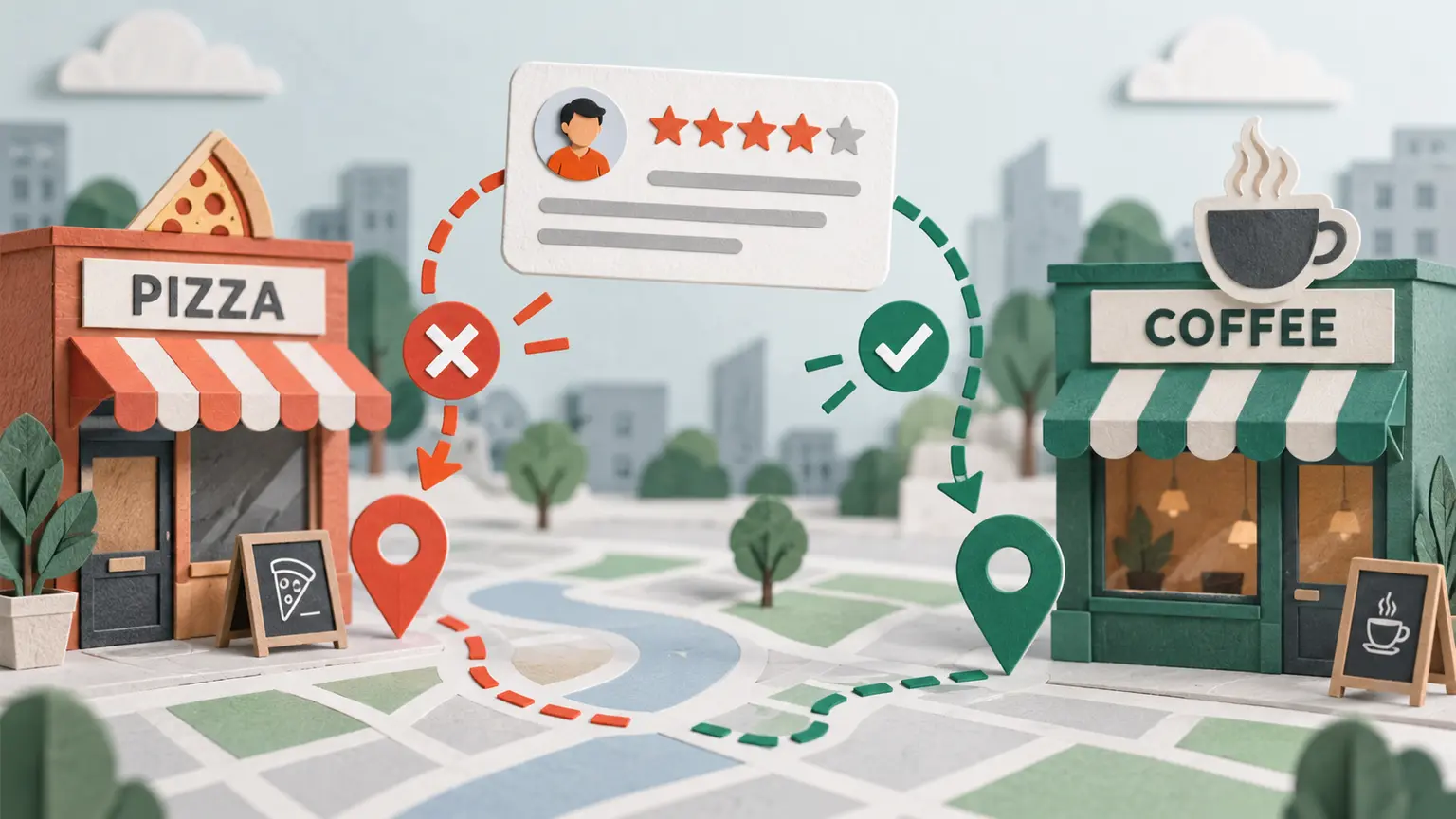
Wrong-business reviews happen when similar names, nearby locations, old addresses, or plain human clicking put a real complaint on the wrong profile. The strongest case proves the mismatch without attacking the reviewer.
Policy-based guidance, reviewed September 2026.
Quick answer
To remove a Google review for the wrong business, preserve the complete post and show the mismatch in company name, location, service, employee, date, or product. Report it as off-topic or not based on an experience with your business. A polite reply can invite the reviewer to verify the location while the report is reviewed.
Common wrong-business clues
The review names another company, describes a service you do not offer, mentions an employee who never worked there, references a city you do not serve, or attaches photos of another storefront. Similar brand names and franchise locations are frequent causes.
One inaccurate detail is not always enough. Look for a combination that makes the wrong destination clear.
Check every plausible interaction
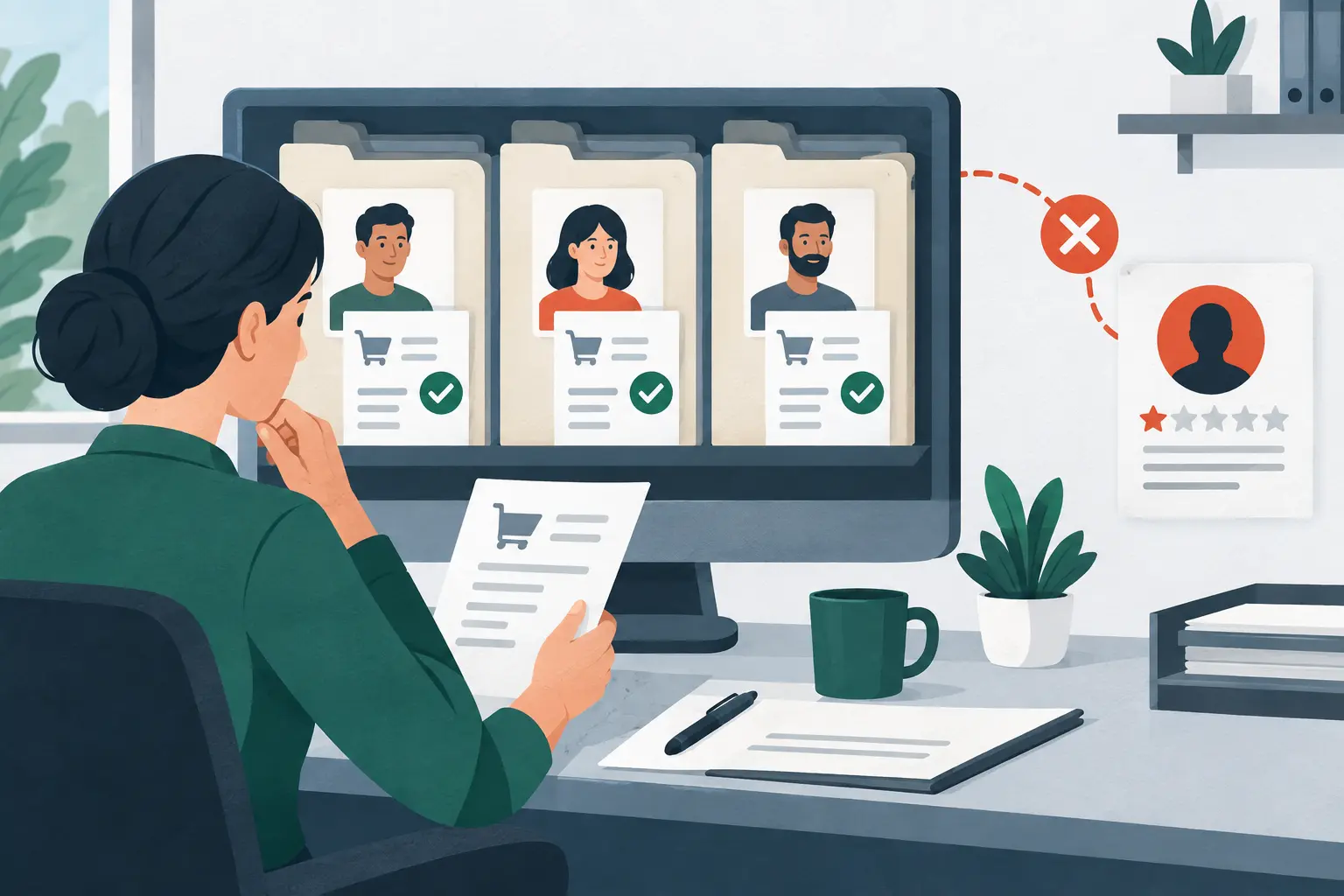
Search sales, leads, calls, bookings, estimates, cancellations, warranties, and related names. Ask staff whether the event could concern a subcontractor, former location, or sister company.
A business should be certain before declaring the reviewer lost. Maps has enough wrong turns without the owner contributing one.
Evidence checklist
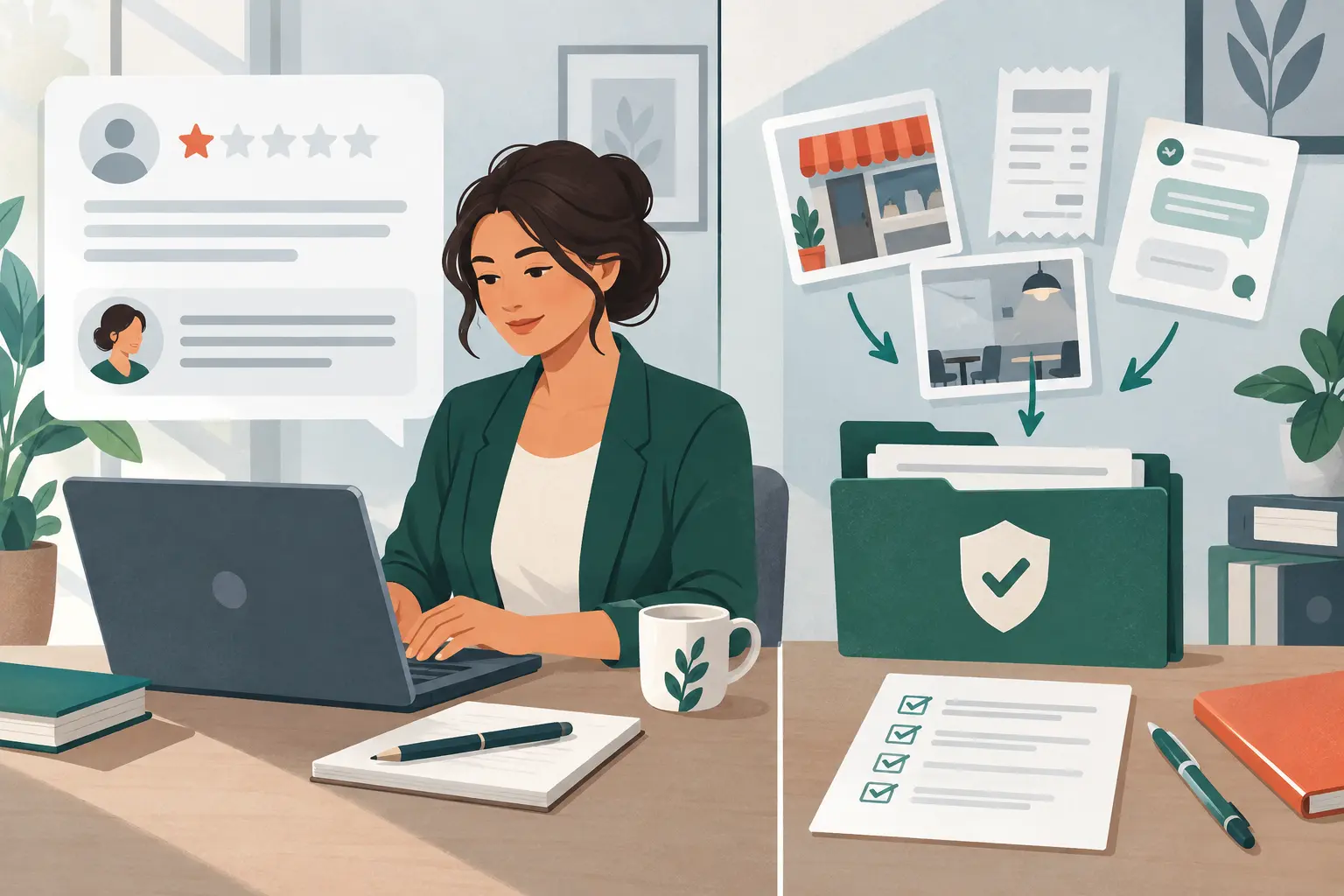
- Review screenshot and direct URL
- Wrong company or location named
- Service or product mismatch
- Employee or vehicle mismatch
- Likely intended business when clear
- Search of leads and non-purchase interactions
- Public business information
- Report and appeal status
Build a simple mismatch record
Quote the review’s identifying details in one column and the correct public facts in another. Add links or screenshots for your services, address, staff, and the likely intended business if publicly obvious.
Avoid exposing customer databases. The report should prove the wrong profile with the least private information necessary.
Off-topic and fake engagement are different
A genuine experience posted to the wrong place is primarily an off-topic or relevance problem. A fabricated story with no corresponding business may fit fake engagement.
Choose the explanation supported by the facts. Calling an honest mistake fraud is unnecessary and usually unhelpful.
How to report the review
Use the review’s Report option or Reviews Management Tool. Select the closest off-topic, spam, or fake-content reason and identify the concrete mismatch.
Track the status. If Google finds no violation, prepare a one-time appeal only if the mismatch can be shown more clearly.
Ask for correction without an incentive
A calm response can say: “The location and service described do not match our business. Please check the listing, and contact us if you believe we were involved.”
Do not offer money, a discount, or another benefit for moving or deleting the review. Google prohibits incentives tied to review revision or removal.
Old business or ownership complications
Reviews associated with a previous business, merged profile, acquisition, or relocated operation can involve Business Profile management beyond one review. Do not assume deleting the profile will erase the history.
Document the entity, ownership, address, and date changes, and seek Profile support when the listing structure itself is wrong.
Frequently asked questions
It may qualify because it is not about an experience at that specific business or location.
Only when it is safe and useful. The primary process is to document and report the wrong placement.
You may politely point out the mismatch, but do not pressure or incentivize a revision.
Save both listings, addresses, services, and the details in the review that identify the intended company.
Deleting profile access is not a reliable review-removal method and can create larger listing problems.
Need a policy-based second look?
Send the review link and the evidence you already have. We will screen the case against Google policy and tell you whether it appears worth pursuing.
Related Google review guides
Sources
Primary sources: Google Maps prohibited and restricted content policy and Google review reporting and appeal instructions. Policy wording and workflows were reviewed September 2026.
Related next step
A wrong-business review may still come from an account you cannot privately identify. See limits of tracing a Google reviewer.